Index of Cumberland County Birth, Wedding, Divorce & Obituary Newspaper Records - 1991
This index runs from January 1, 1991 through December 31, 1991.
This index runs from January 1, 1991 through December 31, 1991.
This index runs from January 1, 1989 through December 31, 1989.
This index runs from May 29, 1874 through May 11, 1882.
During 1906 the Commonwealth of Pennsylvania required that a death certificate be submitted to one of its agencies at the time of death or soon thereafter. Access to the general public was limited because copies of these records were issued to relatives only. Also; the Department of Health searched only one month on either side of the estimated date of death or, when supplied with only the year of death, restricted the search to only January or February of that year. Consequently, historians and genealogists were handicapped in their efforts.
This index runs from January 1, 1990 through December 31, 1990.
This index covers the periods December 11, 1881 through April 2, 1885.
Necrology scrapbook compiled by Flower family. Obituaries of prominent Carlisle and Carlisle-area persons, clipped from local newspapers, 1916-1983, Listed below, in this order: Name, date of notice, page in scrapbook, type of notice.
Index to the History of The First United Presbyterian Church, Newville. Compiled by volunteer, Mrs. Edith Bushman and typed by volunteer, Miss Caroline Marthaler. June, 1989.
Interview of Fred Wardecker for the Elizabeth V. and George F. Gardner Digital Library. Wardecker discusses the Wardecker/Blumenthal Clothing Store in Carlisle, Pennsylvania along with the history of downtown Carlisle, the Carlisle Indian School, and many other stories.
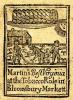
Settlers in colonial America adopted the use of tobacco after it was introduced to them by native peoples in the 1600s. Tobacco plantations proliferated as the demand for tobacco grew. After tobacco was harvested, it had to be cured.