Jim E. Largent Sr.
 Largent discusses his experiences growing up and his time working for a railroad company. Watch Story...
Image: Dam on Mountain Creek by Jim Bradley

An initiative of the Cumberland County Historical Society the Elizabeth V. and George F. Gardner Digital Library seeks to fulfill the Society's mission of collecting, engaging, and sharing the stories of Cumberland County.
Interview of Betty Gardner for the Elizabeth V. and George F. Gardner Digital Library. Gardner discusses coming to Carlisle and her work with the Second Presbyterian Church in Carlisle.

Interview of Wanda Hunter for the Elizabeth V. and George F. Gardner Digital Library. Hunter discusses growing up as a Black Woman in Carlisle including the history of the Carlisle School District's segregation and integration policies, and Lincoln Cemetery.
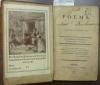
Isabella Oliver, (July 16, 1771—June 7, 1843), once known as the “poetess of the Conodoguinet,” or more colorfully as that creek’s “muse,” was the second--and the first female--published Cumberland County poet in 1805 with Poems on Various Subjects, following the unknown writer of The Unequal Conflict in 1792.
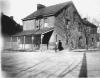
Daughter of a Carlisle tavernkeeper, wife of an English iron worker, Aunt to a well-known actress, and benefactress to the poor, Susana McMurray Higgs was born, lived much of her life and died on the same property in Carlisle.
James Hamilton, Jr. was in Baltimore for Emma J. Wilson’s wedding on April 23.
Thomas Cruse was the brother-in-law of Judge James Hamilton of Carlisle, Pennsylvania
John Zug, a new lawyer, writes to his intended bride Margaret about the perils to his mind, body, and soul of being a lawyer. He is determined to follow a new regimen to improve his health.
Largent discusses his experiences growing up and his time working for a railroad company. Watch Story...
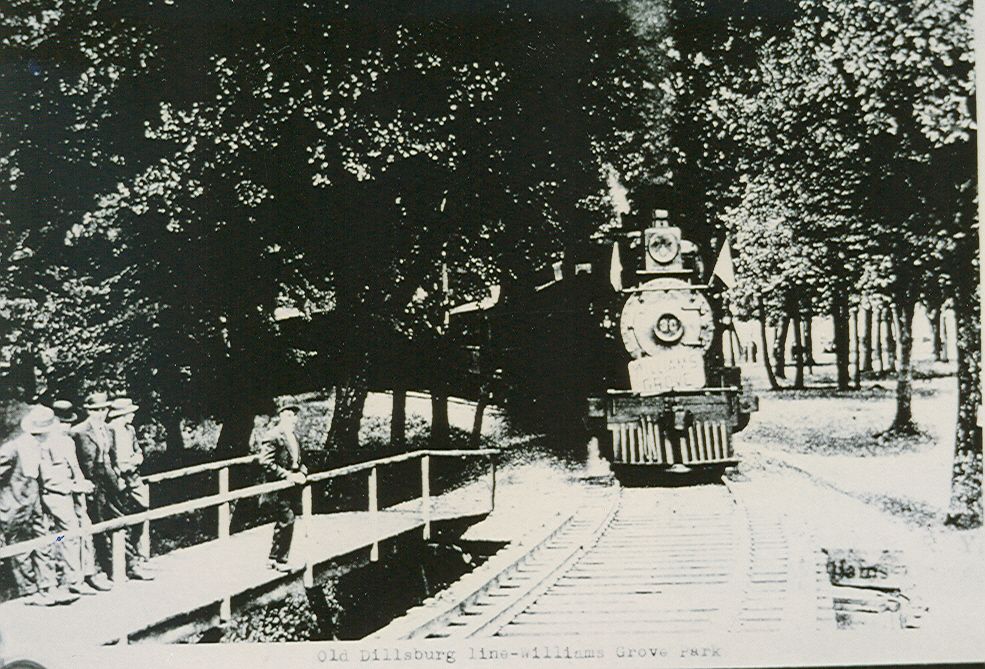 “The Dillsburg and Mechanicsburg Railroad was built with the backing of the Cumberland Valley Railroad primarily to haul iron ore from the vast reserves around Dillsburg to furnaces in the Harrisburg region. Read Article...
Reproduced below are a number of the photographs which were displayed at the Cumberland County Historical Society as an exhibit "Hey Ollie, Let's Go Railroading." Over 250 photographs were put on display as a tribute to all the railroaders, both here and gone, who worked in the Cumberland Valley. Read Story...