Gas Light Comes to Carlisle
“Introduction of Gas!” proclaimed the Carlisle Herald in its June 4, 1856, edition, while a headline in the June 5, 1856, edition of the American Volunteer reported:
One-hundred and thirty-seven years after George Washington supposedly sat in a Sheraton chair in Carlisle, Pennsylvania, it was sold.
“The Social Event of the Season: Dewitt Clinton Bosler Gives a German in the Armory” proclaimed the newspaper. The article described an event held in Carlisle on the evening of December 28, 1896. Dewitt Clinton Bosler, a wealthy bachelor, gave his third annual German.
The 1861 “List of Retailers” in Carlisle included five bakers. At least three of them were German immigrants who had settled in Carlisle in the 1830s and 1840s; John Sellers, John Schmohl and George Grossman.
American Volunteer, May 2, 1861. “DESTRUCTIVE FIRE. Glass’ Hotel in Ashes—Narrow Escape of the Inmates—Heavy Loss, etc.
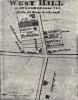
The village of Greason is unknown to most people traveling on Cumberland County's major roads. It sits between Newville Road in the north and Ritner Highway (Rt. 11) in the south. It is less than one mile south of Plainfield and grew up along the old Cumberland Valley Railroad line. Approaching the village today, the first thing you notice is the abandoned warehouse. Vines cover the gable end of the warehouse and cling to its board walls that show little of the paint that once covered them. The railroad tracks are gone, and their route is now part of the Rail Trail walking path. The Station Depot is gone, the Greason Academy building, with its many additions, is a private home, but many of the dozen or so houses remain and evoke an image of what the village was like in the 19th and early 20th centuries.
When Miss Florence Greenfield died in Carlisle on January 31, 1946, she was the last member of her family.1 The contents of her will, published in a Harrisburg newspaper a week later, revealed that the Carlisle Hospital was named the beneficiary of her estate.
Brought to Carlisle from Chester County, Pennsylvania in 1772 at the age of seven,[1] Robert Darlington Guthrie would spend his adult life making silver and clocks for the residents of Cumberland County and train three of his sons to follow his profession.[2]
An “honest laborious man” by his own account; a fighting Irishman judging from the number of times he was indicted for assault and battery,1 Guthrie built many houses in Carlisle during the 25 or more years he worked, including the “English” Church (St.
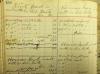
The Cumberland County Historical Society houses the Day Book of tailor Isaac Haas and covers the years 1840-1848. The 161 pages of entries record the names of local residents, the items of clothing Haas made for them, and the cost of each item. Several pages at the end of the boo